This is a companion topic for our recent blog post on blog.unmanned.tech
New year, new drone regulations—because who doesn’t love a little bureaucratic fun? As of 1 January 2026, the UK Civil Aviation Authority will bid farewell to “temporary” exemptions and hello to a more structured regime. If your drone is heavier than a paperclip or you’ve been dodging paperwork like it’s the plague, prepare yourself; the rules are tightening up.
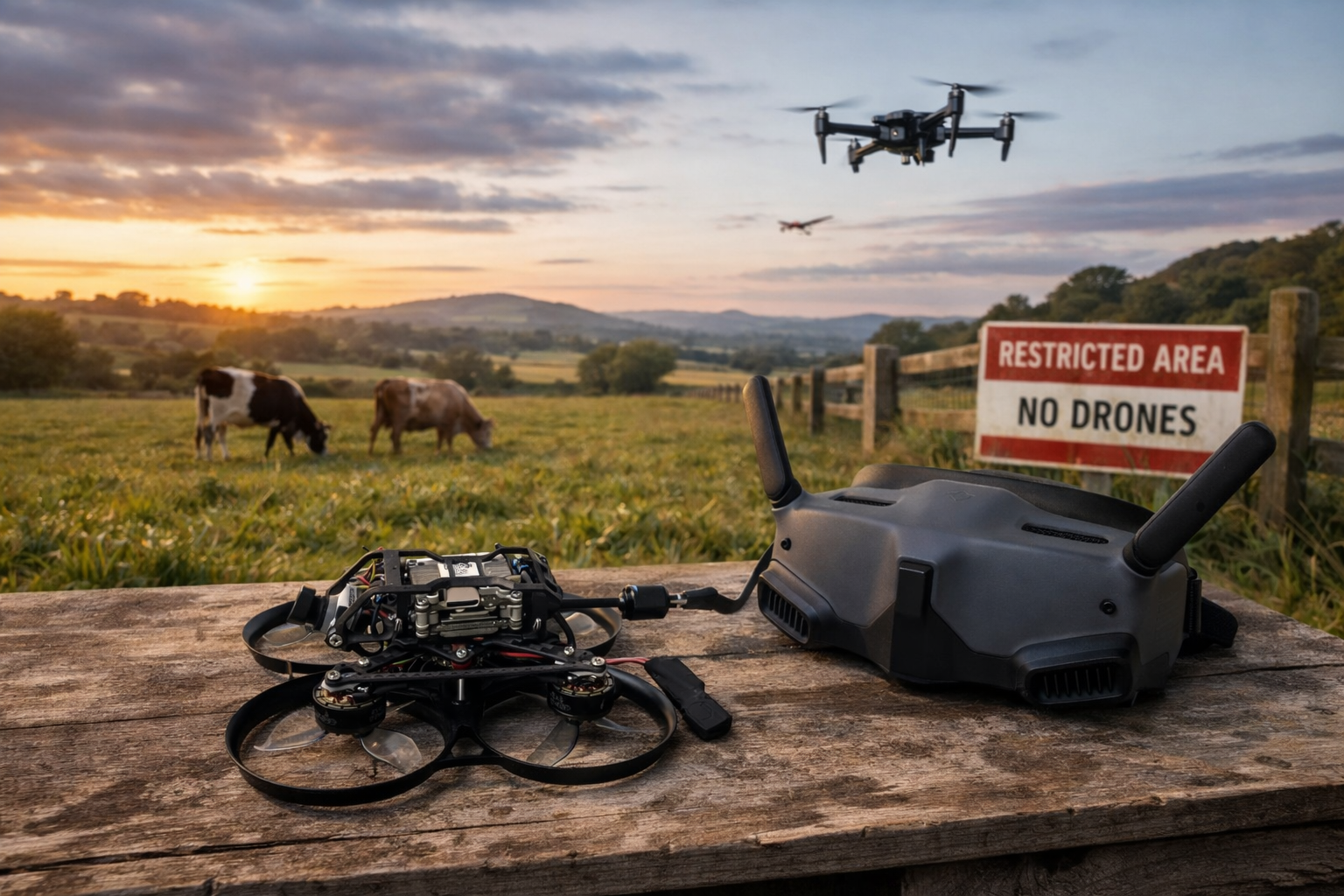
In this brave new world, sub-250g drones stay the reigning champions, happily flying over people (not crowds, mind you), while the 250–500g free pass is as good as gone. The newly minted class markings for drones will dictate your operational privileges, so if you’re still flying those ancient quads, expect to be pushed further out into the countryside—cows are not included in the flight plan.
Additionally, if you fly anything over 100g with a camera, it’s registration time, along with an obligatory green flashing light for night flights—because nothing says “I’m a responsible pilot” quite like a disco on your drone. And let’s not forget Remote ID, which starts in 2026 for new drones and becomes unavoidable for most by 2028.
So, what can you do? Firstly, check if you need to register your drone. Secondly, consider obtaining an A2 Certificate of Competency—it’s basically your ticket to flying in places where humans gather. Lastly, plan for Remote ID: ignoring it until the deadline is not advisable unless you fancy becoming a relic in a field full of cows.
For more delightful details, do check out the official guidance from the CAA: UK CAA.
Read the full post over at: