This is a companion topic for our recent blog post on blog.unmanned.tech
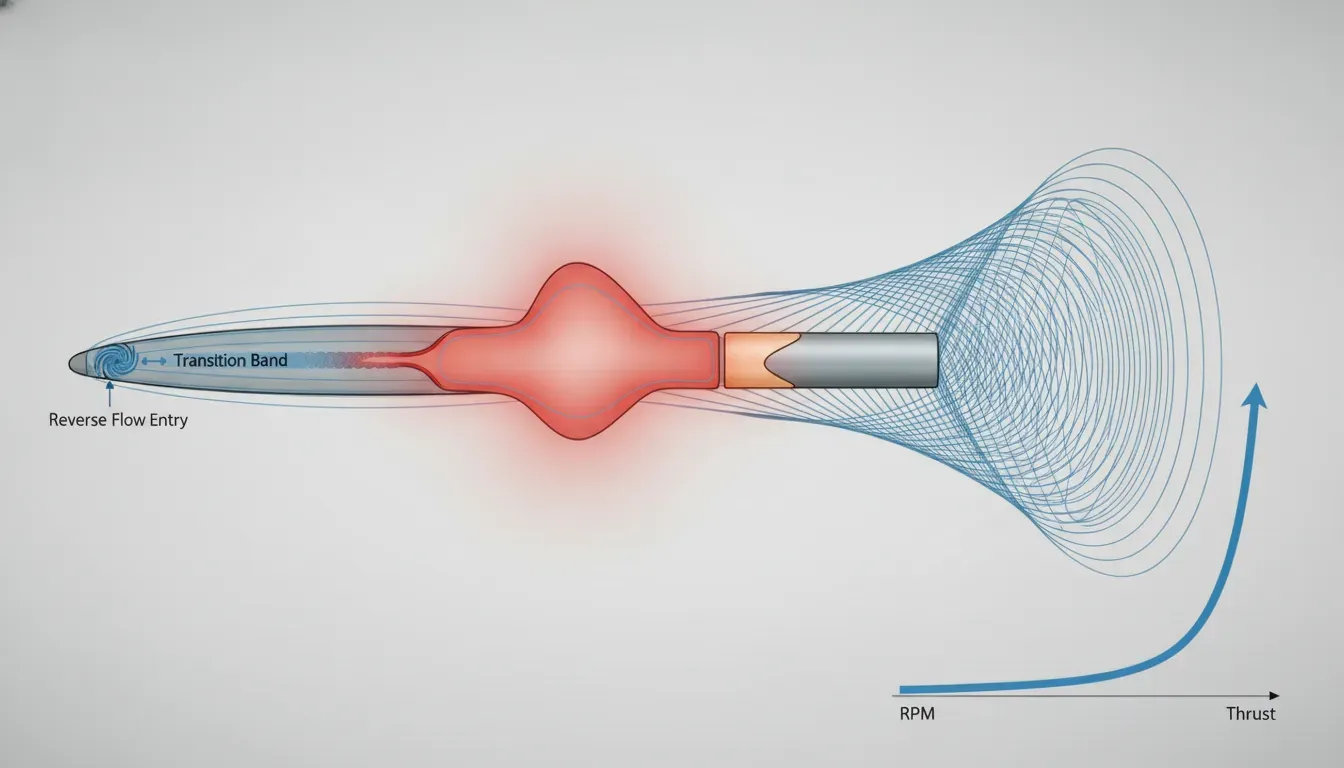
Prop wash: it’s not just a fancy term for “things get a bit wobbly.” Turns out, it’s an aerodynamic fiasco that occurs when your propeller decides to throw a tantrum and recover from reverse flow. Who knew? The key takeaway is that the upper surface of your propeller contributes a staggering 70% of thrust when all goes swimmingly. But when it doesn’t, you’re left with a quad that dances like a toddler who’s skipped their nap.
To avoid this merry chaos, opt for lower pitch props. They’ll handle prop wash like a pro and let you keep the Dynamic Idle settings in a sweet spot—just above the RPM zone where all hell breaks loose. If you’re chasing smoother footage (and who isn’t?), consider keeping your motors above the troublesome transition area, typically around 20-40 in Betaflight for those cheeky 5-inch quads.
But what if you’re feeling adventurous and still want that punchy thrust from high pitch props? Well, brace yourself for a larger thrust jump during recovery; it’s a trade-off that could leave your flight controller flailing about like a fish out of water. So, the mantra here is simple: choose wisely and tune thoughtfully, and let’s keep those props behaving themselves.
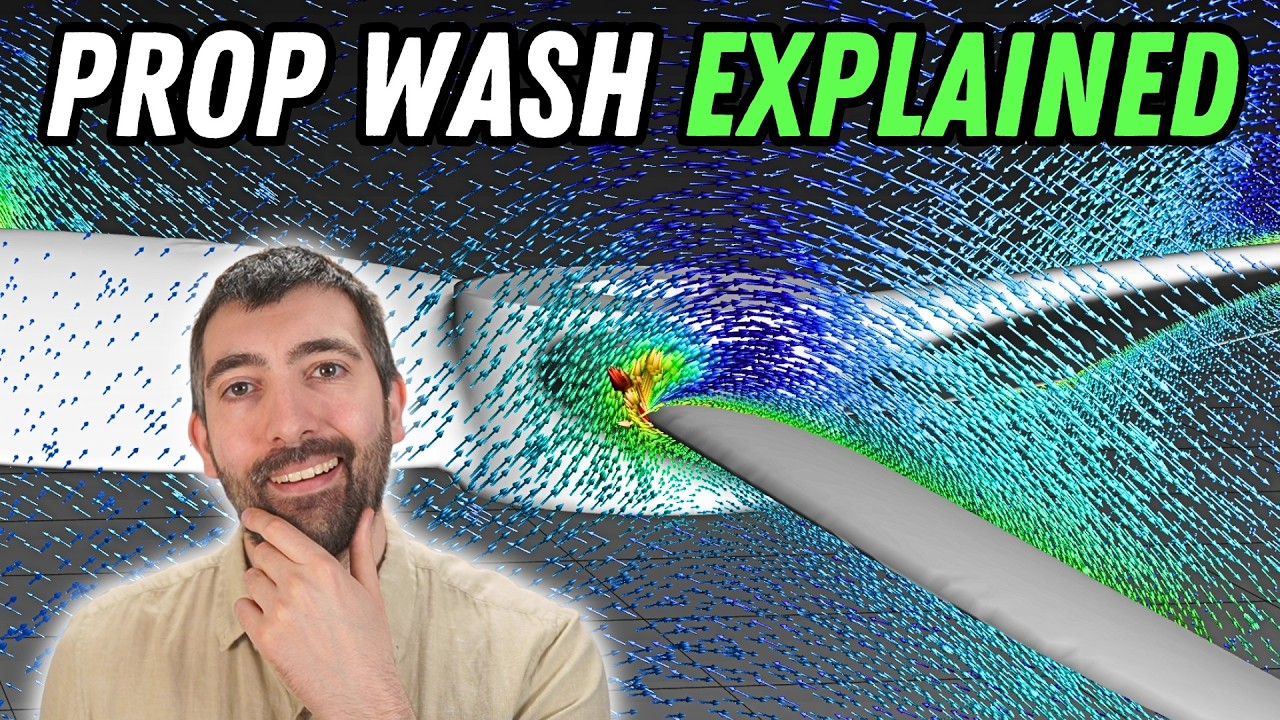
For more on the science behind this aerial debacle, have a gander at the video here:
Read the full post over at: