This is a companion topic for our recent blog post on blog.unmanned.tech
Let’s have a gander at the latest blog post where we dissect the thrilling world of FPV frequencies: 1.3 GHz, 3.3 GHz, and 5.8 GHz. The theory suggests that lower frequencies should grant us better range and obstacle handling, which certainly sounds delightful. However, reality has a cheeky habit of proving otherwise.
In our grand experiment, 3.3 GHz was supposed to outshine 5.8 GHz with a 1.75 times range advantage, but it turned out to be about as impressive as a soggy biscuit. 1.3 GHz, the darling of the long-range crowd, didn’t fare much better, largely due to GPS interference and some rather uncooperative hardware. Who knew physics had such a dry sense of humour?
So, what’s the takeaway? If you want reliability and simplicity, stick with 5.8 GHz—it’s like the old reliable friend who always shows up with a cup of tea when you need it. Fancy a bit of tinkering? Then 3.3 GHz and 1.3 GHz could be the new toys for you, but do remember to read the small print on legality and be prepared for a bit of channel planning.
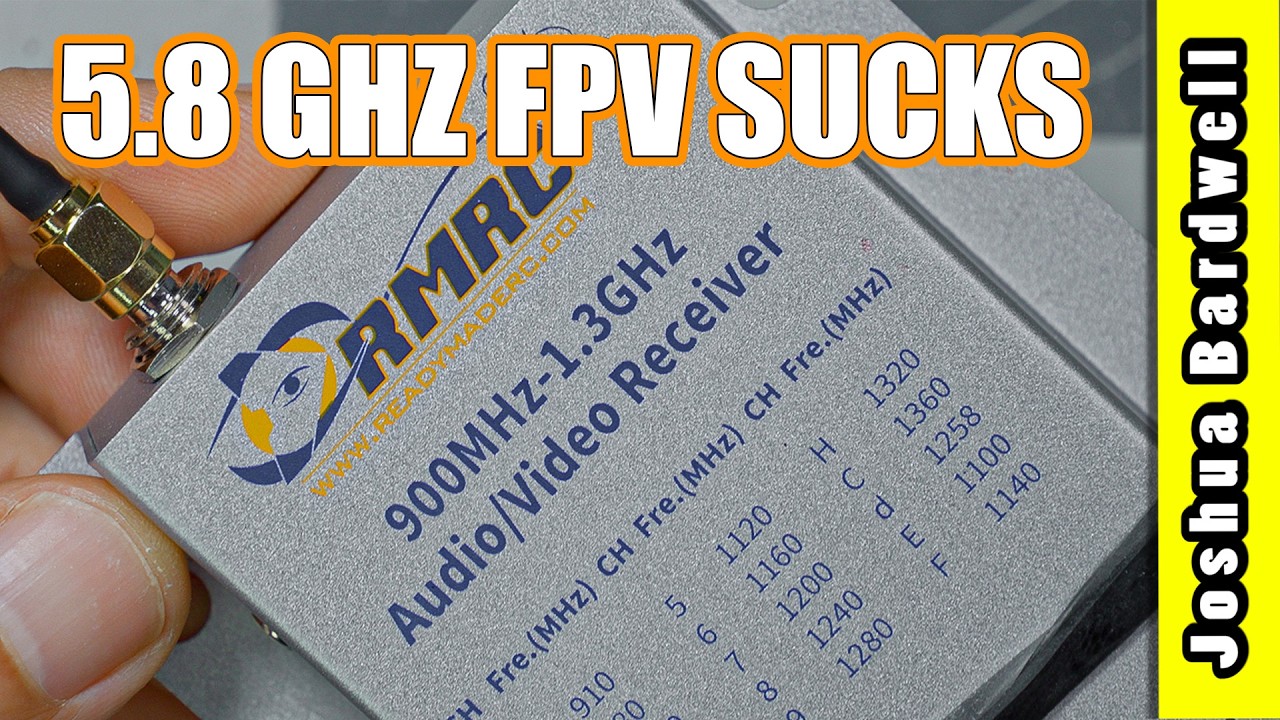
For those who fancy a deeper dive, do check out the video linked below for a full visual feast of our findings.
Read the full post over at: